Are Roof Coatings Worth It in Arizona?

August 20, 2025

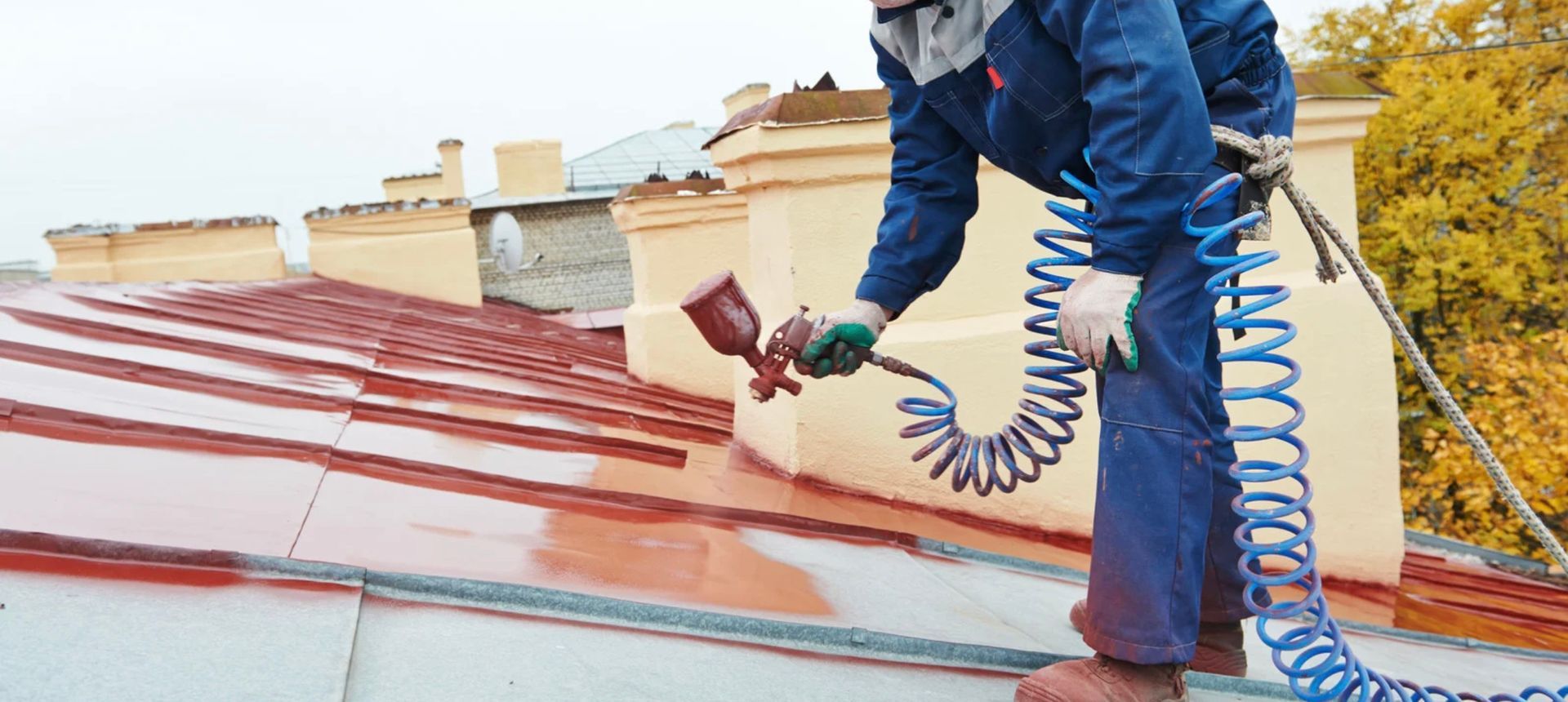
In the relentless Arizona sun, a roof coating is one of the smartest investments you can make for your home or business. For flat, foam, or even some low-slope roofs, these specialized coatings provide a critical layer of defense that directly combats our harshest climate challenges.


The value comes from three powerful benefits: superior protection, significant energy savings, and extended roof life.

How Roof Coatings Protect Your Arizona Property

A quality elastomeric or silicone coating acts as a sacrificial shield for your roof, battling the elements so the underlying structure doesn't have to.


  • They Reflect UV Rays: Unlike standard roof materials that absorb heat, reflective roof coatings are engineered to deflect the sun's intense ultraviolet radiation. This significantly reduces the thermal stress on your roof, preventing the premature aging and breakdown of materials.

  • They Seal and Waterproof: These coatings create a seamless, watertight membrane over your entire roof surface. This barrier locks out monsoon rain and prevents leaks by bridging small cracks and sealing vulnerable seams.

  • They Expand and Contract: The "elastomeric" quality means the coating remains flexible. It stretches and moves with your roof through the drastic temperature swings of Arizona days and nights, preventing cracks from forming.

The Tangible Benefits: Savings and Longevity

The protection translates into direct advantages for your wallet and your peace of mind.


  1. Lower Cooling Costs: This is the most immediate benefit. By reflecting solar energy instead of absorbing it, a coated roof can significantly reduce the temperature of your roof surface. This means your air conditioner doesn't have to work as hard, leading to lower monthly energy bills, especially during the peak summer heat.
  2. Extend Roof Life: A roof coating protects the underlying material from direct sun and water exposure, the two primary causes of roof failure in Arizona. This can add years—or even decades—to the life of your roof, delaying the enormous expense of a full replacement.
  3. Prevent Costly Leaks: The seamless waterproofing barrier stops small problems from becoming big ones. The cost of a protective coating is minimal compared to the cost of repairing water damage to ceilings, insulation, and interior walls.

Is a Roof Coating Right for Your Roof?

Roof coatings are an ideal solution for:


  • Spray Foam Roofs: A coating is not optional; it is the essential waterproofing and UV-protective layer.
  • Flat or Low-Slope Roofs: These roofs are particularly vulnerable to water pooling and sun exposure.
  • Aged or Fading Roofs: A coating can restore protection and functionality to a roof that is otherwise structurally sound.


It is important to note that coatings are not typically recommended for standard asphalt shingle roofs.

A Smart Investment in Your Property's Future

Think of a roof coating not as an expense, but as a form of low-cost, high-value insurance. It preserves your larger roofing asset, improves your comfort, and reduces your energy consumption.


We offer free, no-obligation inspections and quotes for roof coatings. Our experts will determine if your roof is a good candidate and explain the potential energy savings and protection a coating can provide.

Protect your roof from the Arizona sun and save on energy costs. Schedule your free coating consultation today.

Get My Free Quote

Frequently Asked Questions

Q: How long does a roof coating last?

A: A high-quality elastomeric or silicone coating, properly applied, can protect your roof for 10-15 years before a new coating may be needed.


Q: Can a coating fix my leaky roof?

A: A coating can seal minor leaks and prevent new ones by creating a waterproof barrier. However, significant structural damage must be repaired before the coating is applied for it to be fully effective.


Q: Will a roof coating lower my energy bills?

A: Yes. By reflecting UV rays and reducing heat absorption, a coated roof lowers the temperature inside your building, which can lead to a measurable reduction in air conditioning costs.
February 6, 2026
Knowing when to replace your roof isn’t always obvious. Many homeowners wait until there’s visible damage or an active leak—but by that point, the roof has often been failing for months or even years. Understanding the early roof replacement signs can help you avoid costly repairs, interior damage, and unnecessary stress. Below are the most common warning signs homeowners miss. Hidden Leaks: The Biggest Warning Sign Most Homeowners Never See One of the most misunderstood roofing problems is the hidden roof leak . In reality, most roof leaks begin 6–12 months before any interior damage becomes visible . Water often enters the roof system at flashing points, valleys, or seams and then travels along underlayment, decking, or framing. During this time, moisture can quietly cause rot, mold growth, and structural damage—without any obvious signs inside the home. Common areas where hidden leaks start: Roof valleys Flashing around vents, skylights, and chimneys Flat roof seams and transitions Aging underlayment beneath tile or shingles By the time stains appear on ceilings or walls, the damage is usually far more extensive than homeowners expect. This is a major reason recurring leaks often signal that roof replacement—not repair—is needed. 1. Your Roof Has Had Multiple Repairs A roof that has been repaired several times is often nearing the end of its lifespan. While minor repairs can be effective on newer roofs, repeated patchwork usually means the system as a whole is failing. Why this matters: Repairs address isolated problems, not widespread material deterioration. Over time, multiple repairs can create weak points and increase the risk of future leaks. 2. Leaks Keep Returning After Rain If a roof leak keeps coming back—even after repairs—it’s a strong indicator of deeper issues. Water rarely enters where it shows up, making leaks difficult to permanently fix on older roofs. Recurring leaks are one of the clearest roof replacement signs , especially after heavy rain or storms. 3. Your Roof Is Near or Past Its Expected Lifespan Every roofing system has a realistic service life: Asphalt shingles: 15–25 years Tile roofs: 30–50 years (underlayment often fails sooner) Flat or spray foam roofs: 10–20 years depending on maintenance Even if your roof looks fine, age alone can be a deciding factor when determining when to replace a roof . 4. Visible Wear, Cracks, or Deterioration Obvious signs of wear often indicate larger problems below the surface, including: Cracked or broken tiles Missing shingle granules Blistering or splitting on flat roofs These issues reduce the roof’s ability to shed water and protect your home from UV damage. 5. Soft Spots or Ponding Water on Flat Roofs Flat roofs are especially vulnerable to hidden damage. Soft areas, uneven surfaces, or standing water suggest foam breakdown or substrate deterioration. These problems typically worsen over time and often lead to leaks that cannot be reliably repaired. 6. Interior Warning Signs Sometimes the clearest roof replacement signs appear inside the home: Water stains on ceilings or walls Bubbling or peeling paint Mold or musty odors Increased energy bills from lost insulation efficiency By the time interior damage is visible, the roof problem is usually well-established. 7. Repairs Can No Longer Be Warrantied If a roofing contractor cannot provide a warranty on repairs, it’s usually because the roof system is too compromised. This is often the tipping point where replacement becomes the safest and most cost-effective option. Roof Repair vs. Roof Replacement: Which Is Right? Roof replacement is typically recommended when: Leaks are recurring or widespread Repairs have failed in the past The roof is near the end of its lifespan There is evidence of hidden moisture damage While replacement costs more upfront, it often prevents years of ongoing repairs and interior damage. Get a Professional Roof Inspection If you’re unsure when to replace your roof , a professional inspection can identify hidden leaks, material failure, and long-term risks. An experienced roofing contractor can help you decide whether repair or replacement makes the most sense for your home. Recognizing early roof replacement signs can save you money, protect your home, and give you peace of mind before small issues turn into major problems. Concerned About Your Roof? If your roof is aging, leaking, or showing signs of wear, now is the best time to have it evaluated—especially during rainy weather when problems are most visible.
February 6, 2026
A Guide for First-Time Home Buyers & Real Estate Agents Buying a home is one of the biggest financial decisions a person will ever make. For first-time home buyers, it can also be one of the most overwhelming. Between inspections, appraisals, and negotiations, it’s easy to assume that a general home inspection covers everything—including the roof. Unfortunately, that assumption can be a costly mistake . A professional roof inspection before purchasing a home can uncover hidden issues that may not be visible from the ground or included in a standard home inspection. For both buyers and real estate agents, understanding the importance of a roof inspection can prevent unexpected expenses, delayed closings, and post-sale disputes. Why the Roof Deserves Special Attention The roof is the home’s first line of defense against weather, heat, and water intrusion. It also happens to be one of the most expensive components to repair or replace. In many cases, a roof can look fine from the street while hiding serious problems such as: Deteriorated or brittle underlayment Active or previous leaks Improper repairs or patchwork Failing flashing around penetrations Structural deck damage Aging materials near the end of their service life Without a dedicated roof inspection, these issues often go unnoticed until after the sale , when the new homeowner is responsible for the repair costs. Why General Home Inspections Aren’t Enough A standard home inspection is important—but it is not a substitute for a professional roofing inspection . Most home inspectors: Perform only a visual inspection Do not walk tile or steep roofs Do not remove materials Do not assess remaining roof life Cannot provide repair vs. replacement guidance A licensed roofing contractor, on the other hand, is trained to identify roof-specific issues and provide realistic solutions, cost expectations, and timelines. Benefits for First-Time Home Buyers For first-time buyers especially, a roof inspection provides peace of mind and financial protection. 1. Avoid Unexpected Repair Costs Roof repairs or replacements can cost thousands to tens of thousands of dollars . Identifying problems before closing gives buyers leverage to: Negotiate repairs Request credits Adjust the purchase price Walk away from a bad investment 2. Understand the True Condition of the Home A roof inspection helps buyers understand: How much life the roof has left Whether repairs are temporary or long-term If future expenses should be planned 3. Prevent Immediate Post-Purchase Stress Few things are worse than moving into a new home and discovering a roof leak during the first rainstorm. A pre-purchase roof inspection helps ensure there are no surprises after closing . Benefits for Real Estate Agents For real estate agents, recommending a roof inspection is not just good practice—it’s good business. 1. Smoother Transactions Roof issues discovered early reduce: Last-minute negotiations Delayed closings Deals falling apart under pressure 2. Reduced Liability Encouraging roof inspections helps protect agents from future disputes or claims that issues were “missed” or “not disclosed.” 3. Increased Client Trust Buyers and sellers appreciate agents who: Are proactive Protect their interests Focus on long-term satisfaction, not just closing the deal Common Roof Issues Found During Pre-Purchase Inspections Some of the most common problems uncovered during roof inspections include: Leaks that were patched but not properly repaired Roofs near the end of their service life Tile roofs with failing underlayment Flat or foam roofs with hidden moisture damage Improper installations by previous contractors Catching these issues early allows all parties to make informed decisions instead of emotional ones. When Should a Roof Inspection Be Scheduled? A roof inspection should be scheduled:  During the inspection period Before repair negotiations begin Before finalizing purchase terms The earlier roof issues are identified, the easier they are to address. Final Thoughts: A Small Step That Protects a Big Investment A roof inspection is a relatively small investment compared to the potential cost of repairs or replacement after purchasing a home. For first-time home buyers, it provides clarity and confidence. For real estate agents, it creates smoother transactions and happier clients. When buying or selling a home, don’t overlook the roof —it protects everything underneath it. Need a Professional Roof Inspection? If you’re buying a home or representing a client and want a clear, honest assessment of the roof’s condition, a professional roofing inspection can make all the difference. Contact us today to schedule a roof inspection before closing and avoid costly surprises.
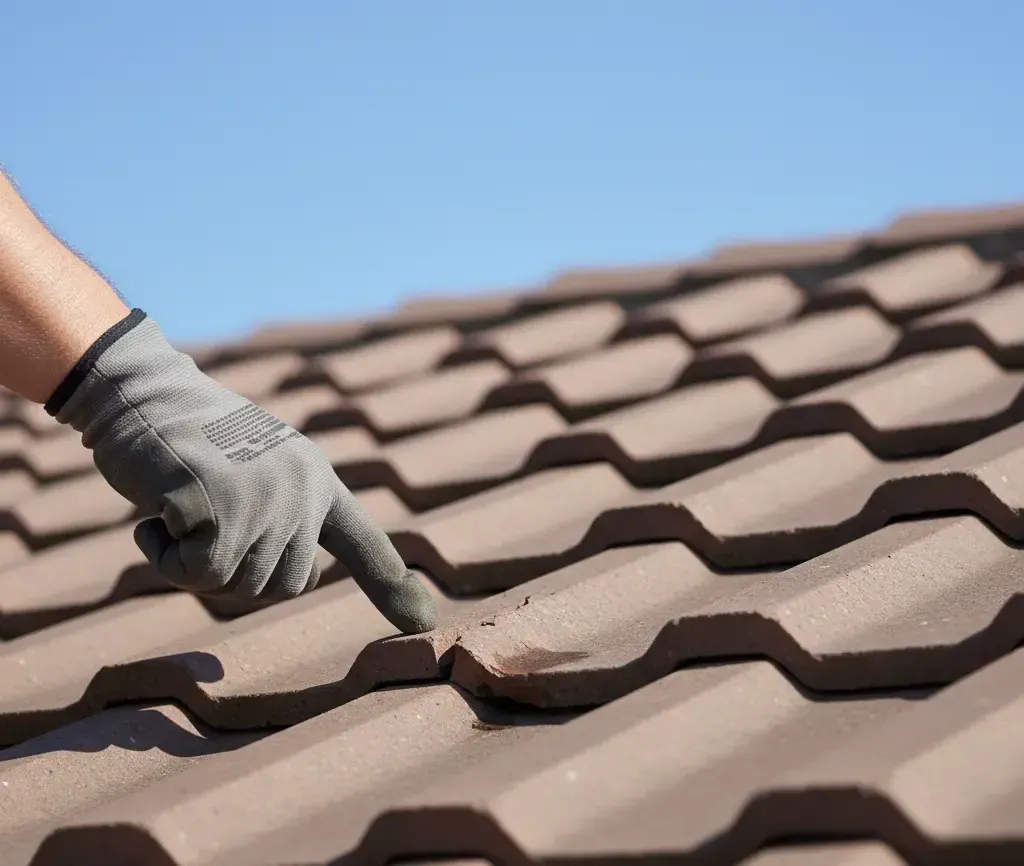
Gloved hand pointing to a damaged brown tile on a roof with a blue sky background.
November 21, 2025
Discover the crucial steps to take when your roof leaks. Learn how to prevent costly damage and get expert repair services in Phoenix and Scottsdale.
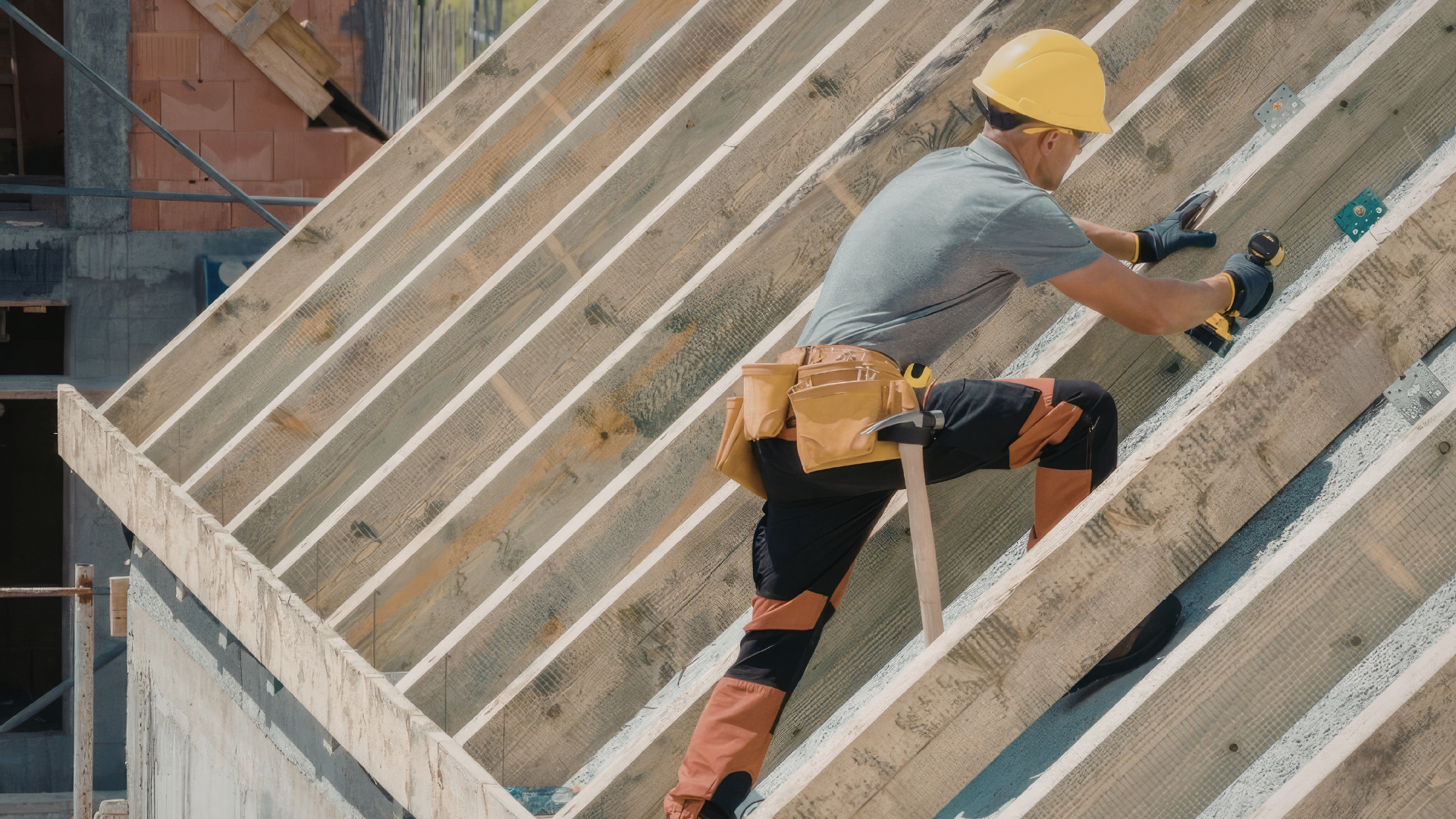
Construction worker on rooftop, wearing safety gear, drilling wood.
September 24, 2025
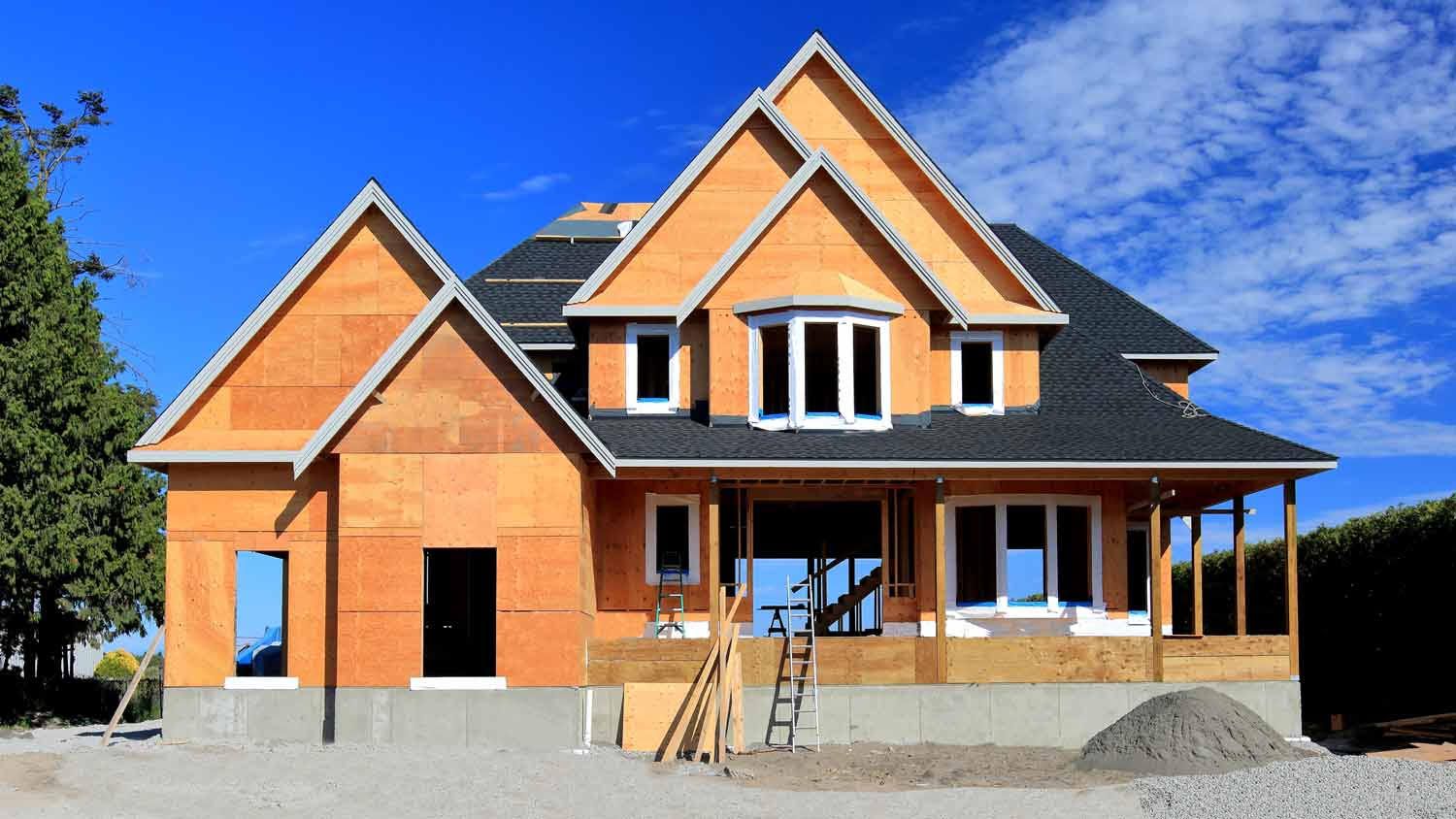
Ensure a solid foundation with expert roofing services for new construction and custom homes. Quality craftsmanship and reliable protection from the start.
Roofer on a roof wearing a harness, hammering shingles. Gray shingles, bright green harness, blue sky.
September 19, 2025
Explore Spray Foam Roofing in Phoenix & Scottsdale, AZ. Our 2025 guide covers installation, benefits, and cost to help you choose the best option for your roof.
September 14, 2025
When it comes to replacing or repairing your roof, choosing the right contractor is one of the most important decisions you’ll make. Unfortunately, the roofing industry has its fair share of companies that cut corners or disappear when problems arise. That’s why doing your research up front is so important. A low bid may look appealing, but the wrong choice can end up costing much more in the long run. To help you make a smart decision, here are 7 key tips for choosing a roofing contractor you can trust :
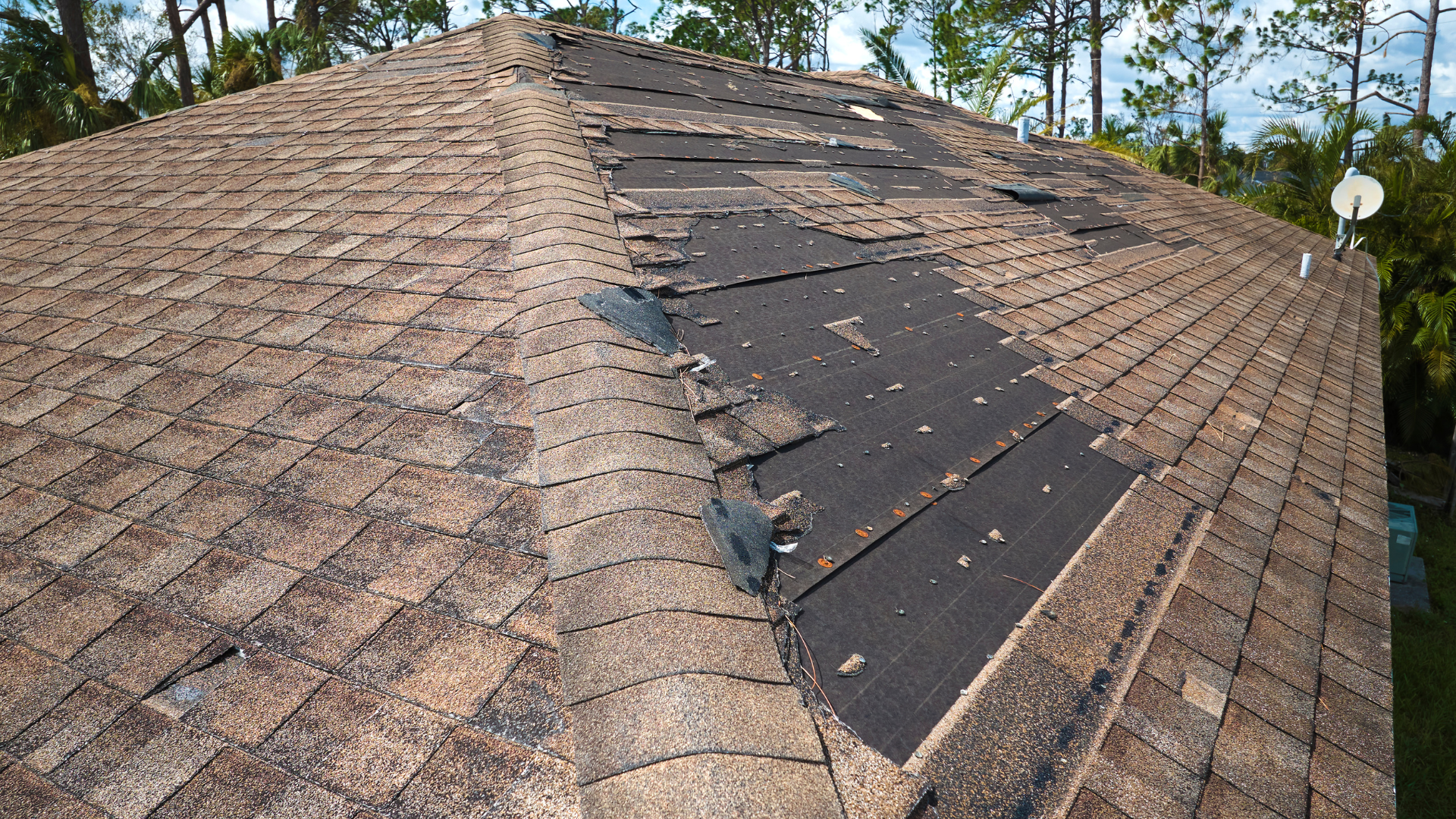
Damaged asphalt shingle roof with exposed underlayment.
August 20, 2025
Does AZ homeowners insurance cover roof repair? Learn what storm damage is covered & how to file a claim. Get a free insurance inspection today.
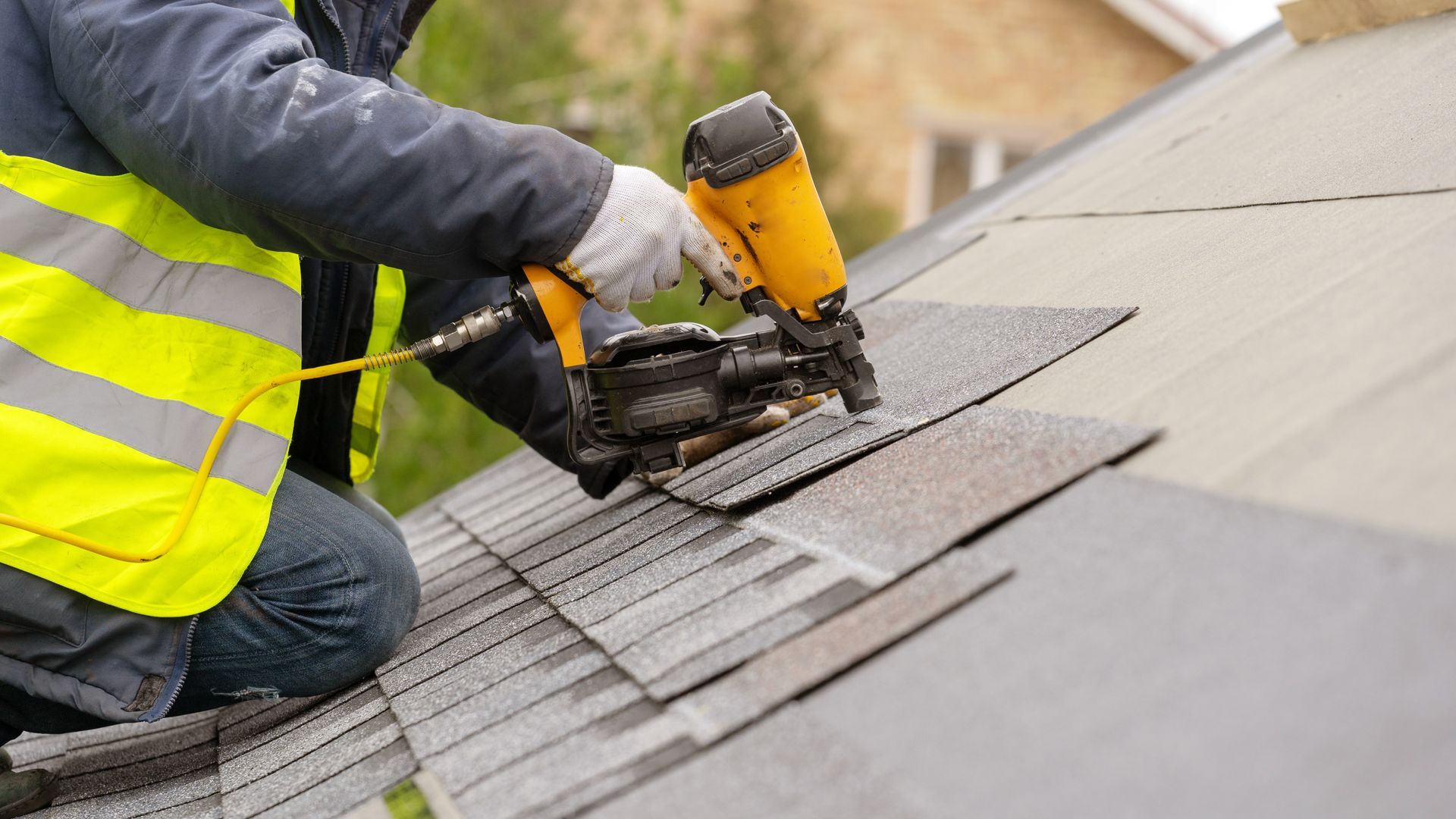
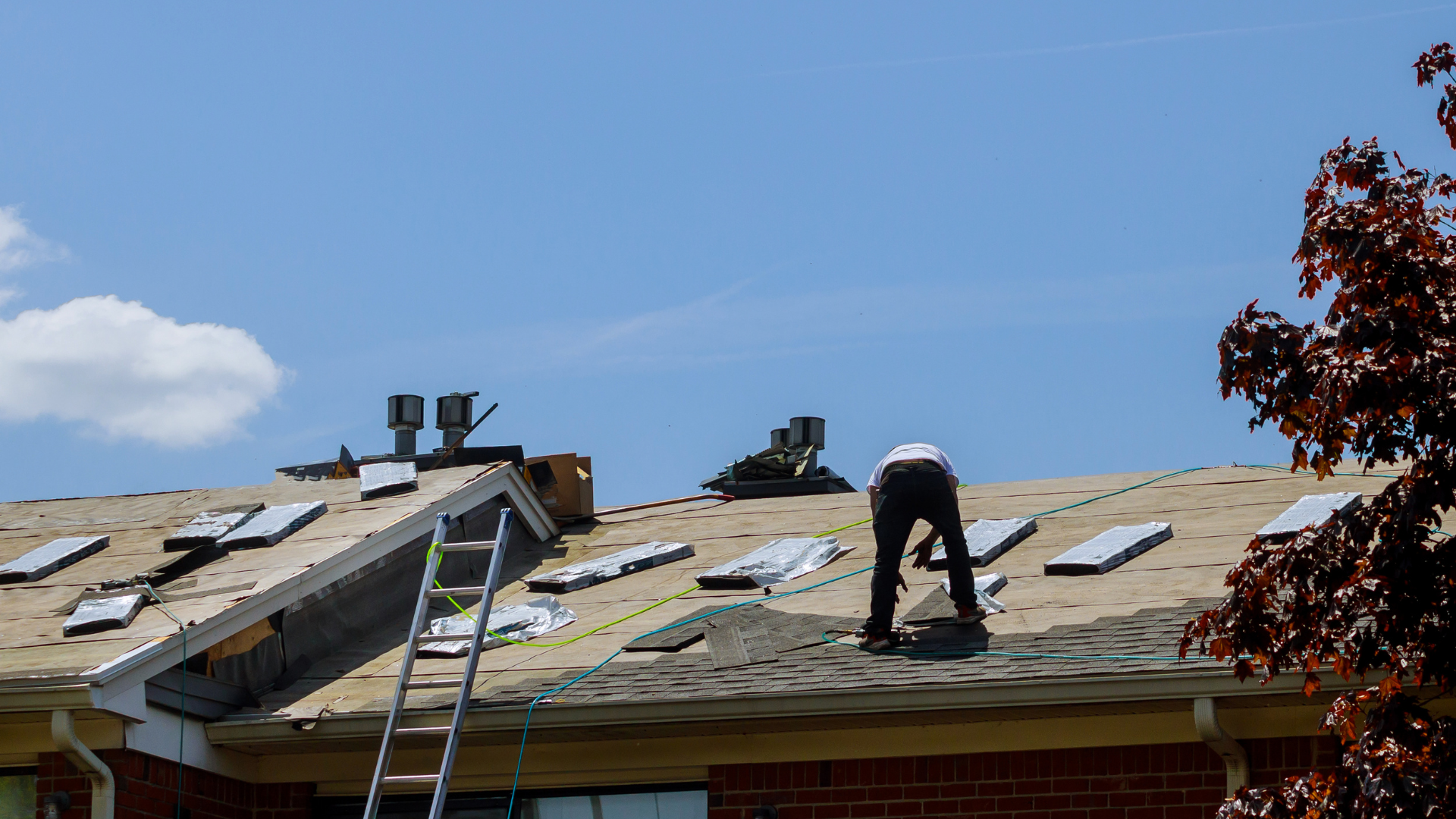
Person using a pneumatic nail gun to install roofing shingles.
August 20, 2025
Deciding between an AZ roof repair or full replacement? We help you choose the most cost-effective solution for your home. Get a free assessment.
View of a dark flat roof with a peaked metal roof in the background on a sunny day.
August 20, 2025
Protect your AZ flat roof from sun damage. Learn why recoating every 5-10 years is essential to prevent leaks & save money. Get a free inspection quote!
Damaged roof and gutter; brown tiles, bent green metal gutter, wooden support.
August 20, 2025
AZ monsoons cause major roof damage. High winds tear off shingles & tiles, rain exploits weak spots. Get a free post-storm inspection & repair quote.