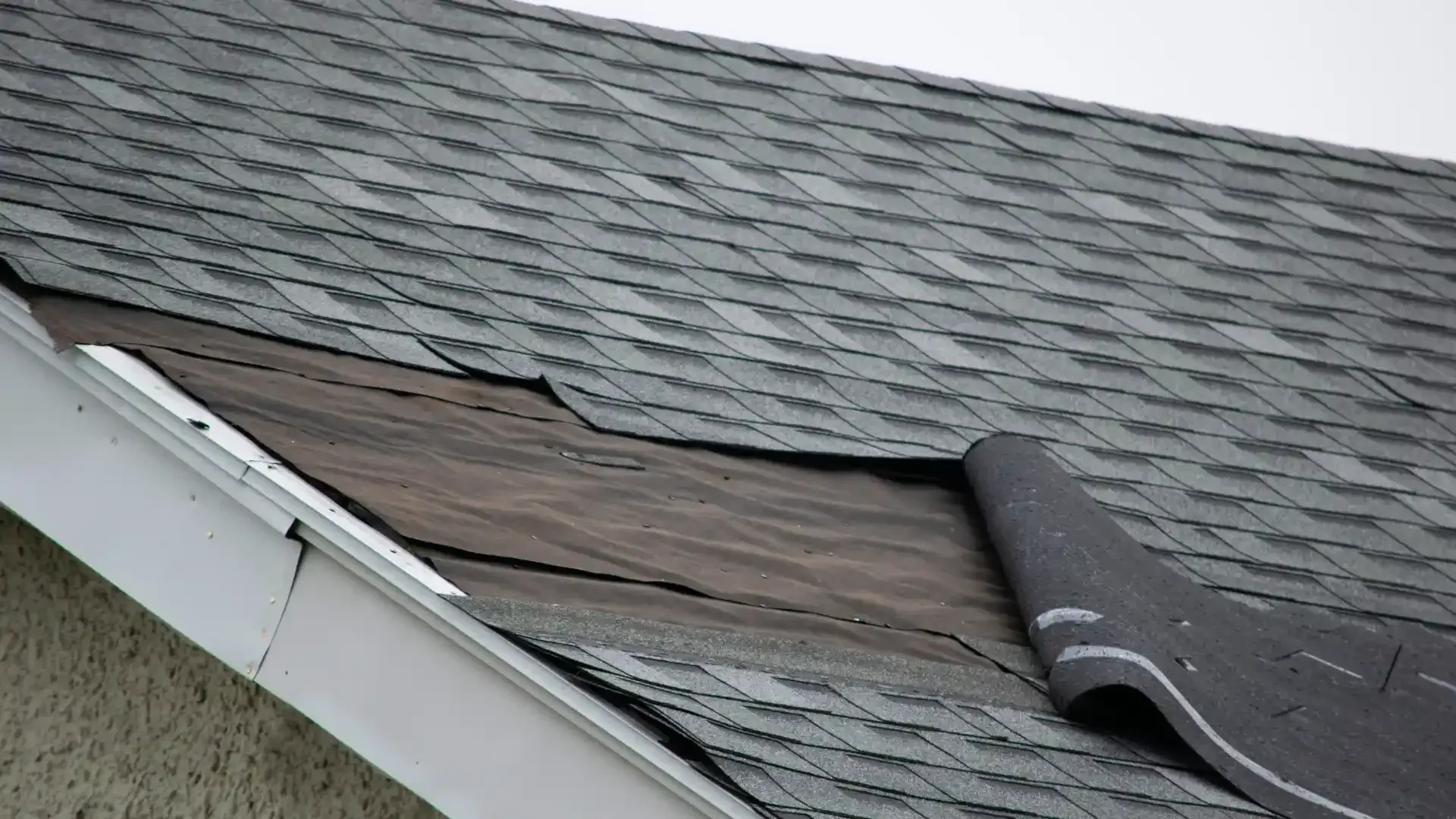
7 Common Tile Roof Problems in Phoenix (And How to Spot Them Early)
Tile roofs are a popular choice in Phoenix thanks to their durability, energy efficiency, and ability to withstand intense sun exposure. However, even the toughest tile roofs aren’t immune to wear and tear—especially in Arizona’s harsh desert climate.
If you own a tile roof, recognizing early warning signs can save you thousands in repairs and extend the life of your roof. Below are seven of the most common tile roof problems in Phoenix and what you should watch for.
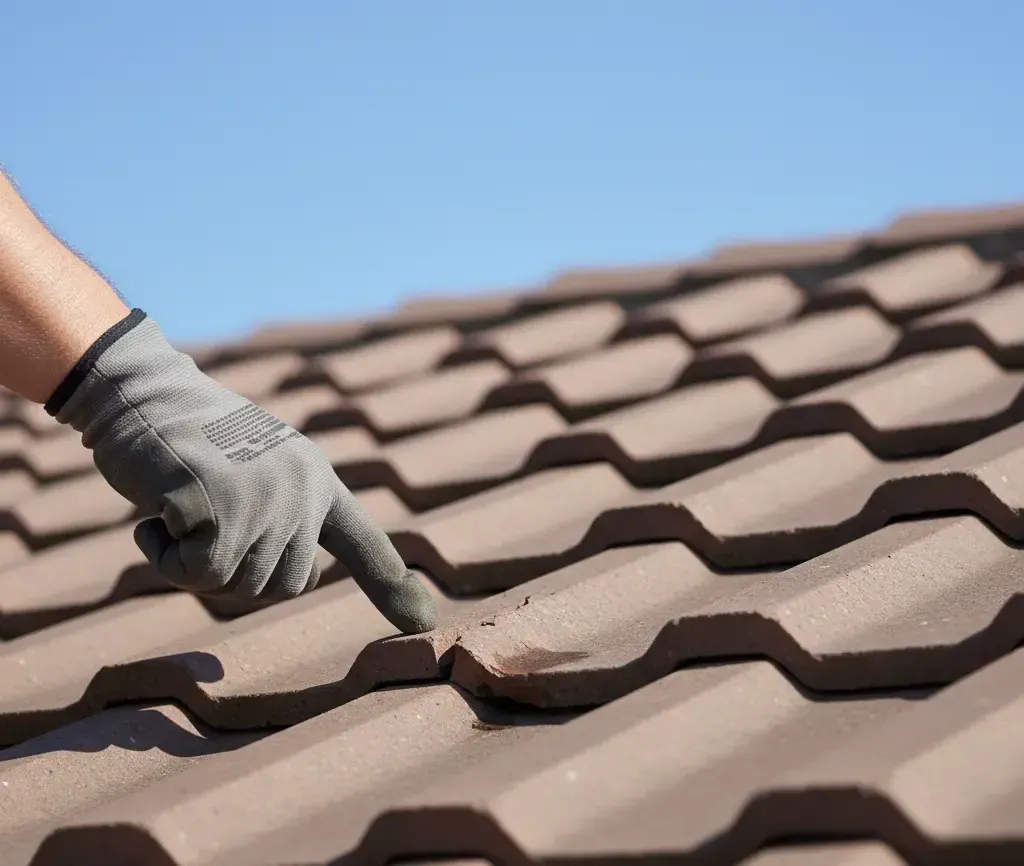
1. Cracked or Broken Roof Tiles
One of the most visible issues with tile roofs is cracked or broken tiles. While tiles are designed to last decades, they can still crack due to:
- Extreme heat fluctuations
- Monsoon storms and debris impact
- Walking on the roof improperly
Why it matters:
Even a single broken tile can expose the underlayment to water damage, leading to leaks over time.
What to look for:
- Visible cracks or missing pieces
- Tiles that have shifted out of place
2. Tile Roof Leaks
Roof leaks are a serious issue that often go unnoticed until damage becomes extensive. In Phoenix, leaks typically occur during monsoon season when heavy rains hit.
Common causes include:
- Broken tiles
- Worn underlayment
- Damaged flashing
Warning signs:
- Water stains on ceilings or walls
- Mold or mildew growth
- Dripping water during storms
3. Failing Tile Roof Underlayment
The underlayment is the true waterproof barrier beneath your tiles. While tiles can last 50+ years, underlayment usually lasts 15–25 years in Phoenix’s extreme heat.
Why it fails:
- Constant UV exposure
- High temperatures drying out materials
- Natural aging
Signs of failure:
- Frequent leaks despite intact tiles
- Brittle or deteriorating material under tiles
4. Dust and Debris Buildup on Tile Roofs
Phoenix is known for dust storms, which means debris accumulation is inevitable.
Common buildup includes:
- Dust and sand
- Leaves and branches
- Bird nests
Why it’s a problem:
Debris traps moisture, which can accelerate deterioration and block proper drainage.
What to check:
- Valleys filled with debris
- Uneven discoloration on tiles
5. Damaged Roof Flashing
Flashing is the metal material installed around roof penetrations like chimneys, vents, and skylights.
Causes of damage:
- Rust and corrosion
- Improper installation
- Weather exposure
Why it matters:
Flashing directs water away from vulnerable areas. When it fails, leaks are almost guaranteed.
Signs to watch for:
- Rusted or loose flashing
- Water intrusion near roof joints
6. Mortar Deterioration on Ridge Tiles
Ridge tiles are often secured with mortar, which can degrade over time in Phoenix’s climate.
What causes deterioration:
- Intense sun exposure
- Thermal expansion and contraction
- Age
Potential issues:
- Loose ridge tiles
- Cracked or crumbling mortar
Why it’s important:
Loose ridge tiles can shift or fall, creating safety hazards and exposing your roof to water damage.
7. Poor Roof Maintenance
One of the most overlooked problems is simply neglect. Many homeowners assume tile roofs are “maintenance-free,” but that’s not the case.
Consequences of poor maintenance:
- Small issues turning into major repairs
- Reduced roof lifespan
- Higher long-term costs
Best practices:
- Schedule annual inspections
- Clean debris regularly
- Address minor repairs promptly