How to Know When Your Roof Needs to Be Replaced Warning Signs Homeowners Miss
Knowing when to replace your roof isn’t always obvious. Many homeowners wait until there’s visible damage or an active leak—but by that point, the roof has often been failing for months or even years.
Understanding the early roof replacement signs can help you avoid costly repairs, interior damage, and unnecessary stress. Below are the most common warning signs homeowners miss.
Hidden Leaks: The Biggest Warning Sign Most Homeowners Never See
One of the most misunderstood roofing problems is the hidden roof leak. In reality, most roof leaks begin 6–12 months before any interior damage becomes visible.
Water often enters the roof system at flashing points, valleys, or seams and then travels along underlayment, decking, or framing. During this time, moisture can quietly cause rot, mold growth, and structural damage—without any obvious signs inside the home.
Common areas where hidden leaks start:
Roof valleys
Flashing around vents, skylights, and chimneys
Flat roof seams and transitions
Aging underlayment beneath tile or shingles
By the time stains appear on ceilings or walls, the damage is usually far more extensive than homeowners expect. This is a major reason recurring leaks often signal that roof replacement—not repair—is needed.
1. Your Roof Has Had Multiple Repairs
A roof that has been repaired several times is often nearing the end of its lifespan. While minor repairs can be effective on newer roofs, repeated patchwork usually means the system as a whole is failing.
Why this matters:
Repairs address isolated problems, not widespread material deterioration. Over time, multiple repairs can create weak points and increase the risk of future leaks.
2. Leaks Keep Returning After Rain
If a roof leak keeps coming back—even after repairs—it’s a strong indicator of deeper issues. Water rarely enters where it shows up, making leaks difficult to permanently fix on older roofs.
Recurring leaks are one of the clearest roof replacement signs, especially after heavy rain or storms.
3. Your Roof Is Near or Past Its Expected Lifespan
Every roofing system has a realistic service life:
Asphalt shingles: 15–25 years
Tile roofs: 30–50 years (underlayment often fails sooner)
Flat or spray foam roofs: 10–20 years depending on maintenance
Even if your roof looks fine, age alone can be a deciding factor when determining when to replace a roof.
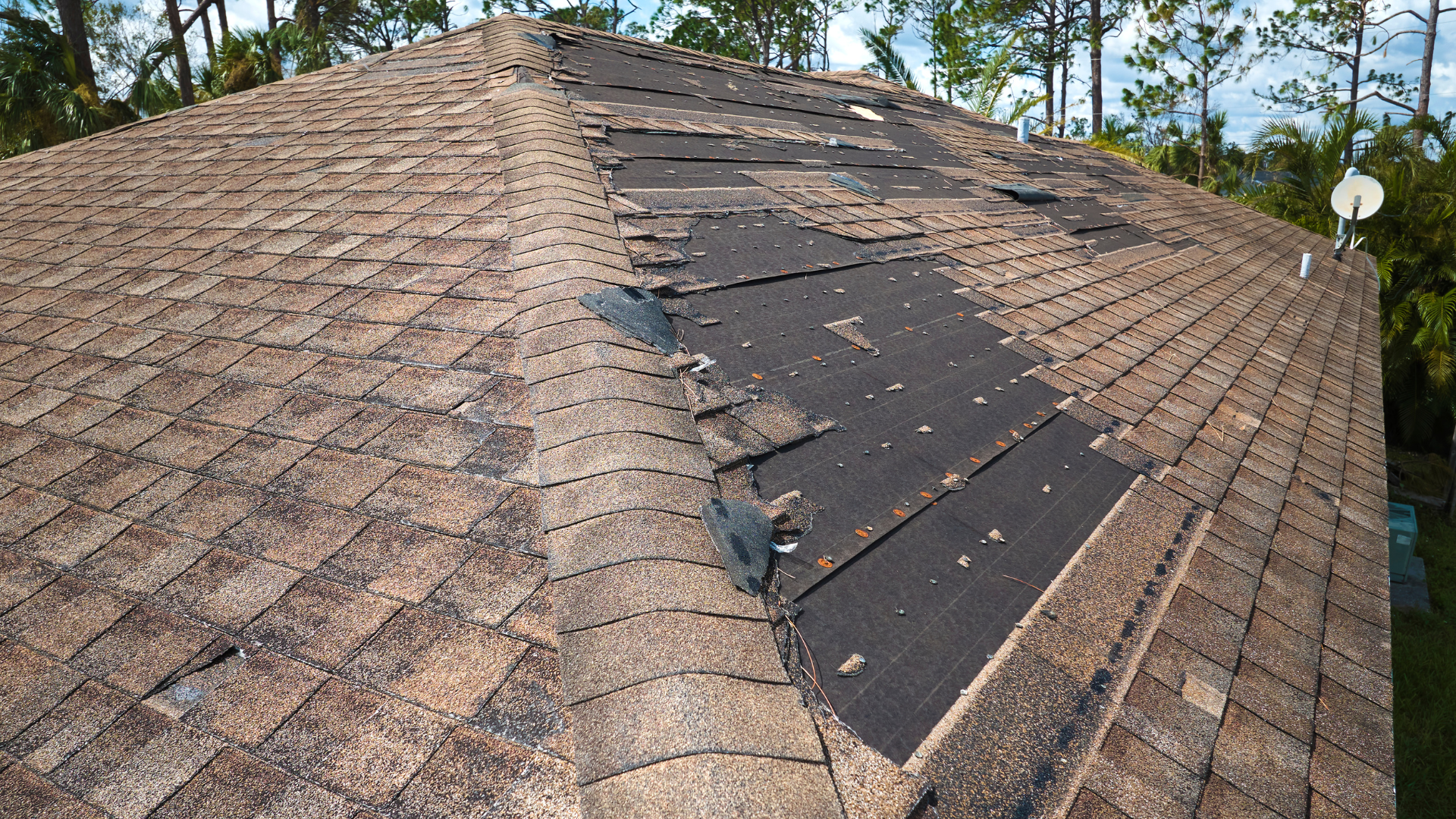
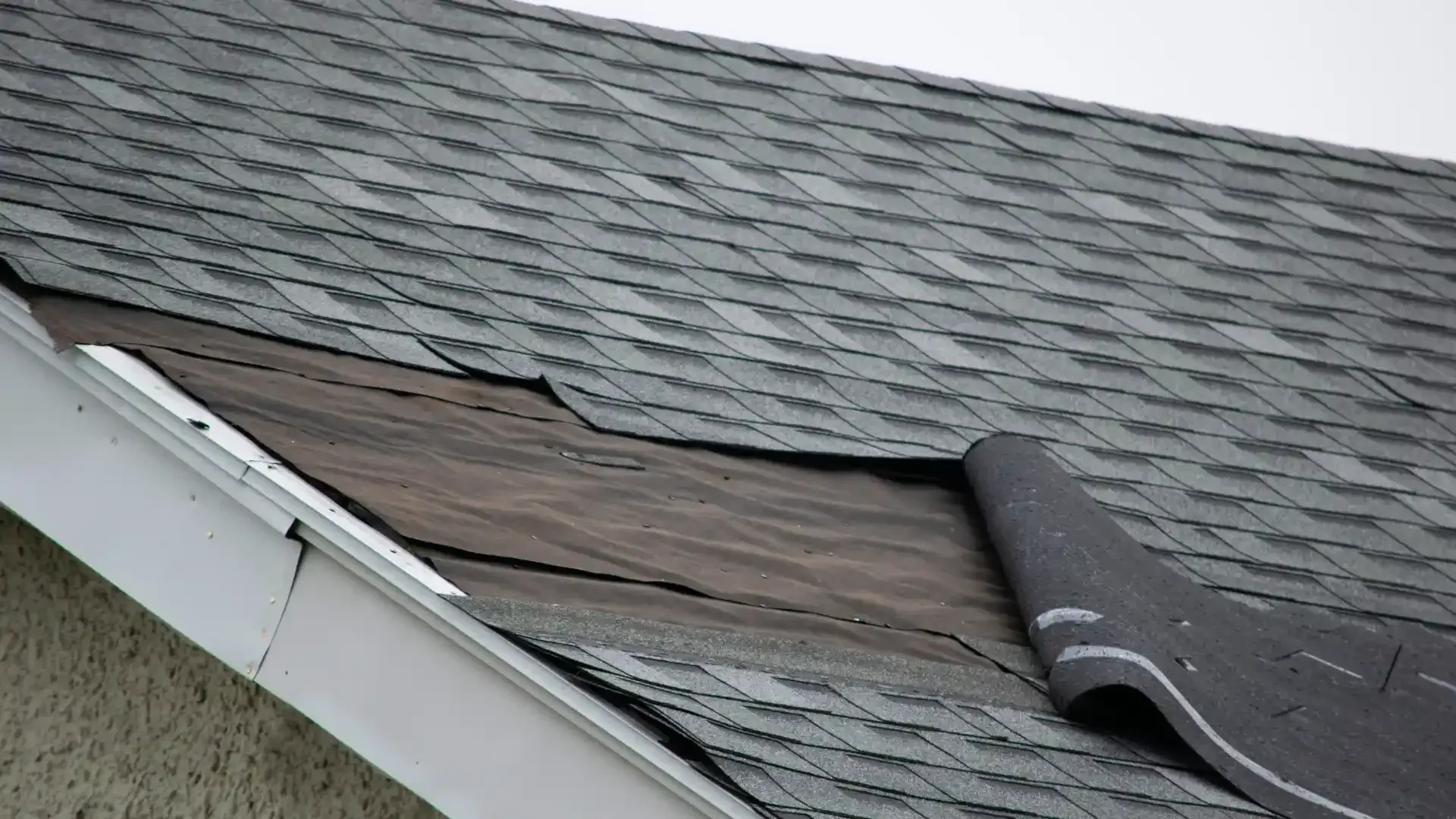
4. Visible Wear, Cracks, or Deterioration
Obvious signs of wear often indicate larger problems below the surface, including:
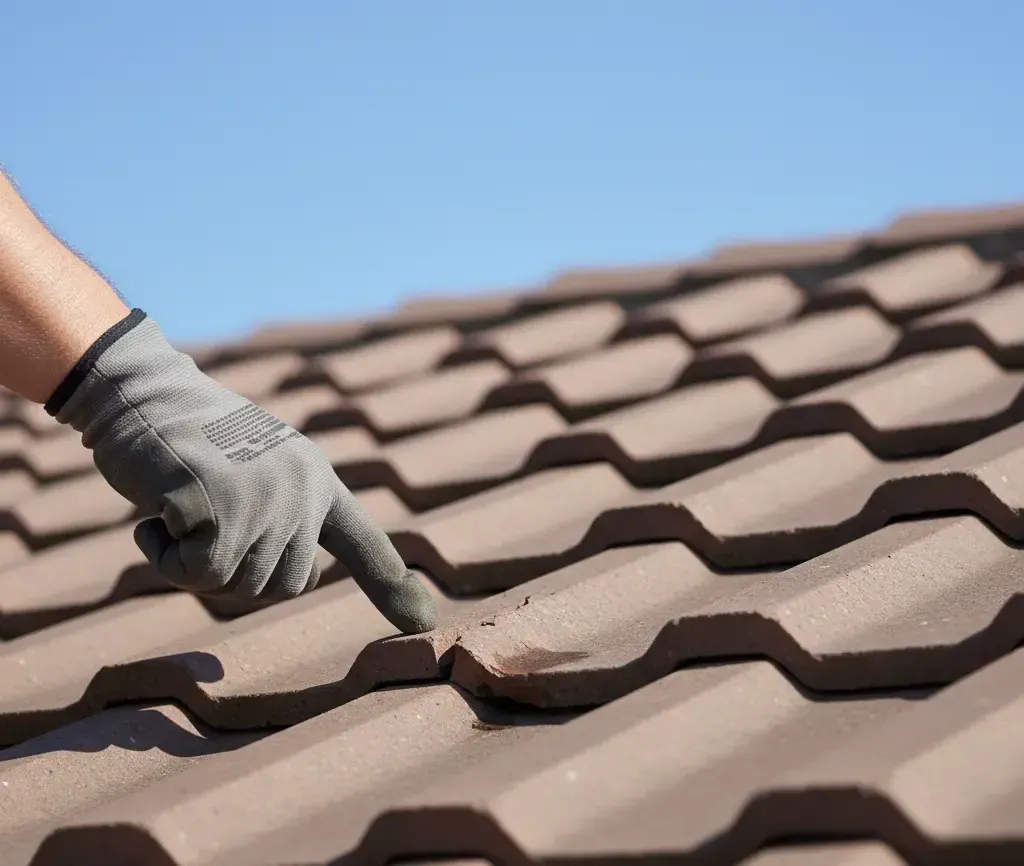
Cracked or broken tiles
Missing shingle granules
Blistering or splitting on flat roofs
These issues reduce the roof’s ability to shed water and protect your home from UV damage.
5. Soft Spots or Ponding Water on Flat Roofs
Flat roofs are especially vulnerable to hidden damage. Soft areas, uneven surfaces, or standing water suggest foam breakdown or substrate deterioration.
These problems typically worsen over time and often lead to leaks that cannot be reliably repaired.
6. Interior Warning Signs
Sometimes the clearest roof replacement signs appear inside the home:
Water stains on ceilings or walls
Bubbling or peeling paint
Mold or musty odors
Increased energy bills from lost insulation efficiency
By the time interior damage is visible, the roof problem is usually well-established.
7. Repairs Can No Longer Be Warrantied
If a roofing contractor cannot provide a warranty on repairs, it’s usually because the roof system is too compromised. This is often the tipping point where replacement becomes the safest and most cost-effective option.
Roof Repair vs. Roof Replacement: Which Is Right?
Roof replacement is typically recommended when:
Leaks are recurring or widespread
Repairs have failed in the past
The roof is near the end of its lifespan
There is evidence of hidden moisture damage
While replacement costs more upfront, it often prevents years of ongoing repairs and interior damage.
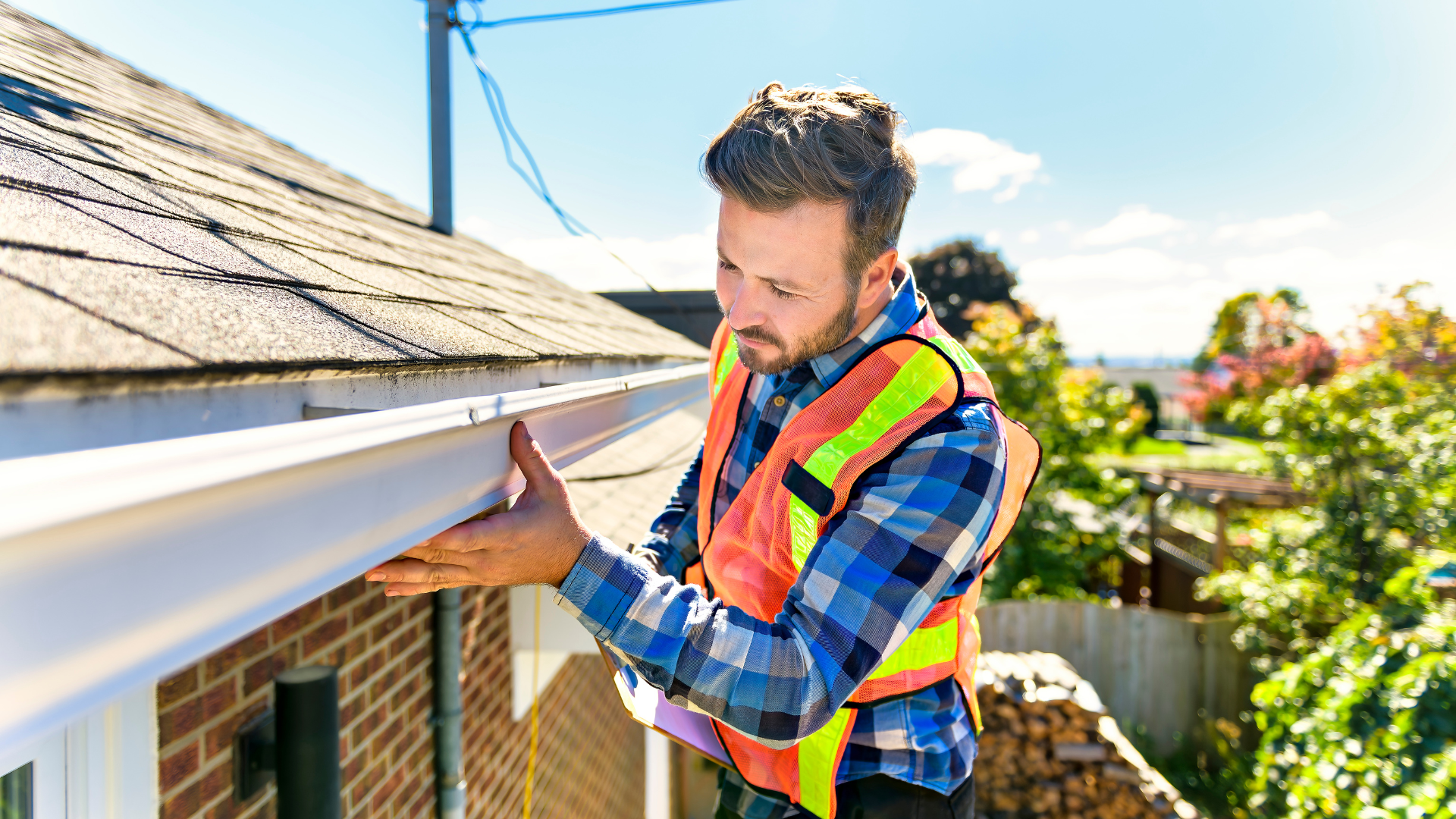
Get a Professional Roof Inspection
If you’re unsure when to replace your roof, a professional inspection can identify hidden leaks, material failure, and long-term risks. An experienced roofing contractor can help you decide whether repair or replacement makes the most sense for your home.
Recognizing early roof replacement signs can save you money, protect your home, and give you peace of mind before small issues turn into major problems.
Concerned About Your Roof?
If your roof is aging, leaking, or showing signs of wear, now is the best time to have it evaluated—especially during rainy weather when problems are most visible.