Best Time to Replace Your Roof in Arizona (Why Warmer Months Are Ideal)

April 14, 2026

If you’re a homeowner in Arizona, choosing the right time to replace your roof isn’t just about comfort—it directly impacts installation quality, project speed, and long-term performance.


While many articles suggest avoiding the heat, the reality in Arizona is a bit different. Warmer months are often the best time to replace your roof, especially when working with asphalt shingles and rolled roofing systems.

Why Timing Matters for Roof Replacement in Arizona

Arizona’s climate is unique. With intense sun, minimal humidity, and long daylight hours, roofing materials behave differently here than in colder regions.


The right timing helps ensure:

  • Proper adhesion of roofing materials
  • Faster, more efficient installation
  • Better overall roof performance and lifespan


Why Warmer Months Are Actually the Best Time
1. Longer Work Days = Faster Project Completion

During the warmer months, crews benefit from extended daylight hours, which means:

  • More productive workdays
  • Faster project timelines
  • Less disruption to your home

In many cases, what might take several days in winter can be completed more efficiently in the summer or late spring.


 3. Asphalt Shingles Lay Flat and Install Better

In warmer temperatures, asphalt shingles become more malleable and flexible, allowing them to:

  • Lay down flat immediately
  • Conform better to the roof surface
  • Reduce the chance of raised edges or uneven installation

In cooler weather, shingles can stay stiff longer, which may delay proper sealing and flattening.


What About the Arizona Heat?

Yes, Arizona summers are hot—but experienced roofing crews are used to working in these conditions and adjust accordingly by:

  • Starting early in the morning
  • Managing work schedules for safety
  • Using proper installation techniques for high-heat environments

When done by a professional, heat becomes an advantage—not a drawback.


When Should You Schedule Your Roof Replacement? 

Ideal Windows in Arizona:

  • Late Spring (April – June)
  • Summer (June – August) (especially early summer)
  • Early Fall (September – October)

These timeframes provide the best combination of heat, daylight, and material performance.


When Cooler Months May Still Work

Fall and winter can still be suitable for roof replacements, especially in Arizona’s mild climate. However:

  • Shorter days can slow down production
  • Cooler temperatures may delay material sealing
  • Projects may take longer overall


Signs You Shouldn’t Wait

Regardless of timing, don’t delay if you notice:

  • Active leaks
  • Damaged or missing shingles
  • Worn underlayment (common in tile roofs)
  • Your roof nearing the end of its lifespan


Final Thoughts

While many homeowners assume cooler weather is better, the warmer months in Arizona actually provide key advantages for roof replacement.


From longer workdays and faster completion times ** to better material adhesion and performance**, heat plays a critical role in ensuring your roof is installed correctly and built to last.


If you’re planning a roof replacement, scheduling during the warmer months can help you get a stronger, better-sealed roof—completed in less time.
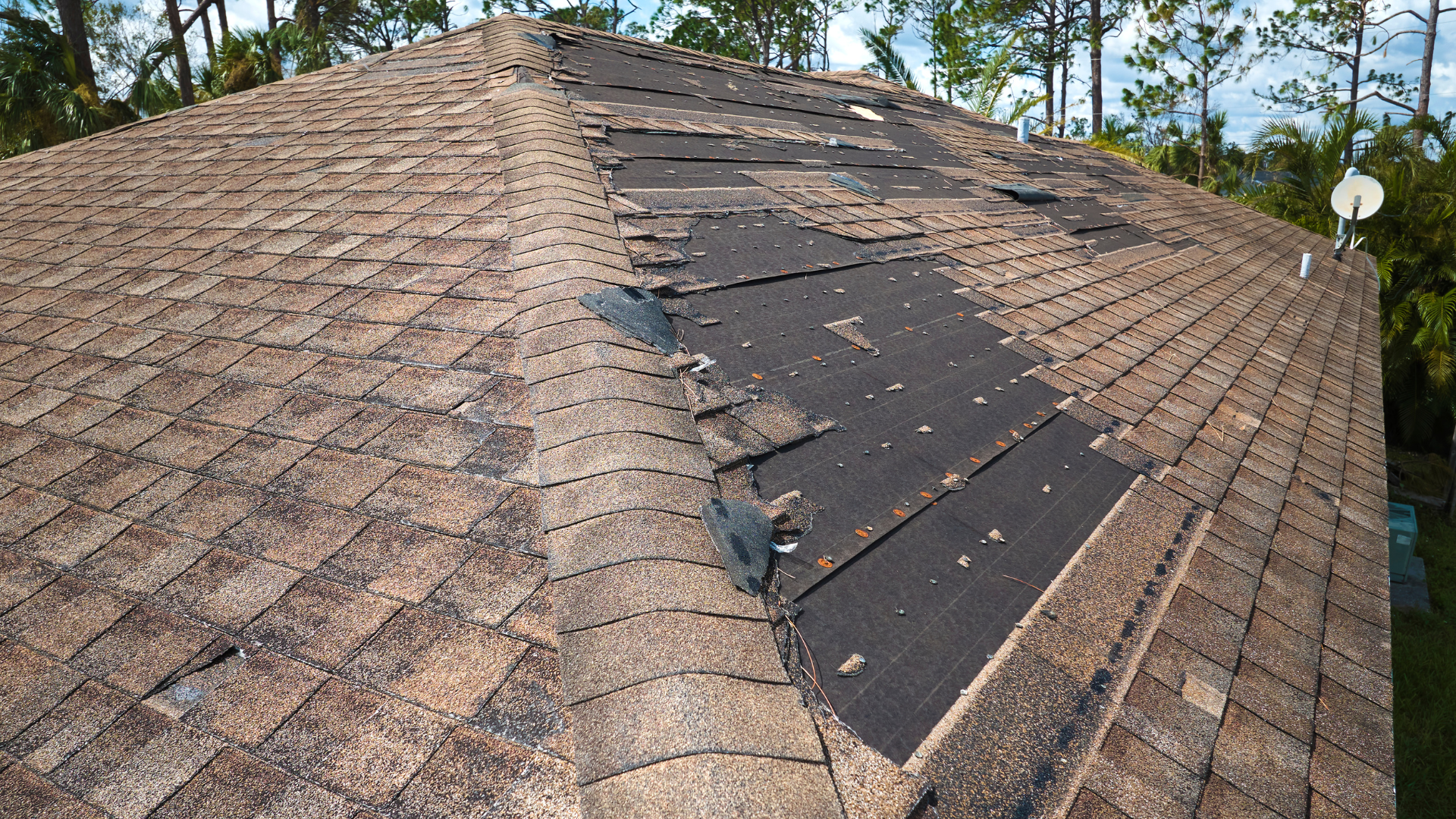

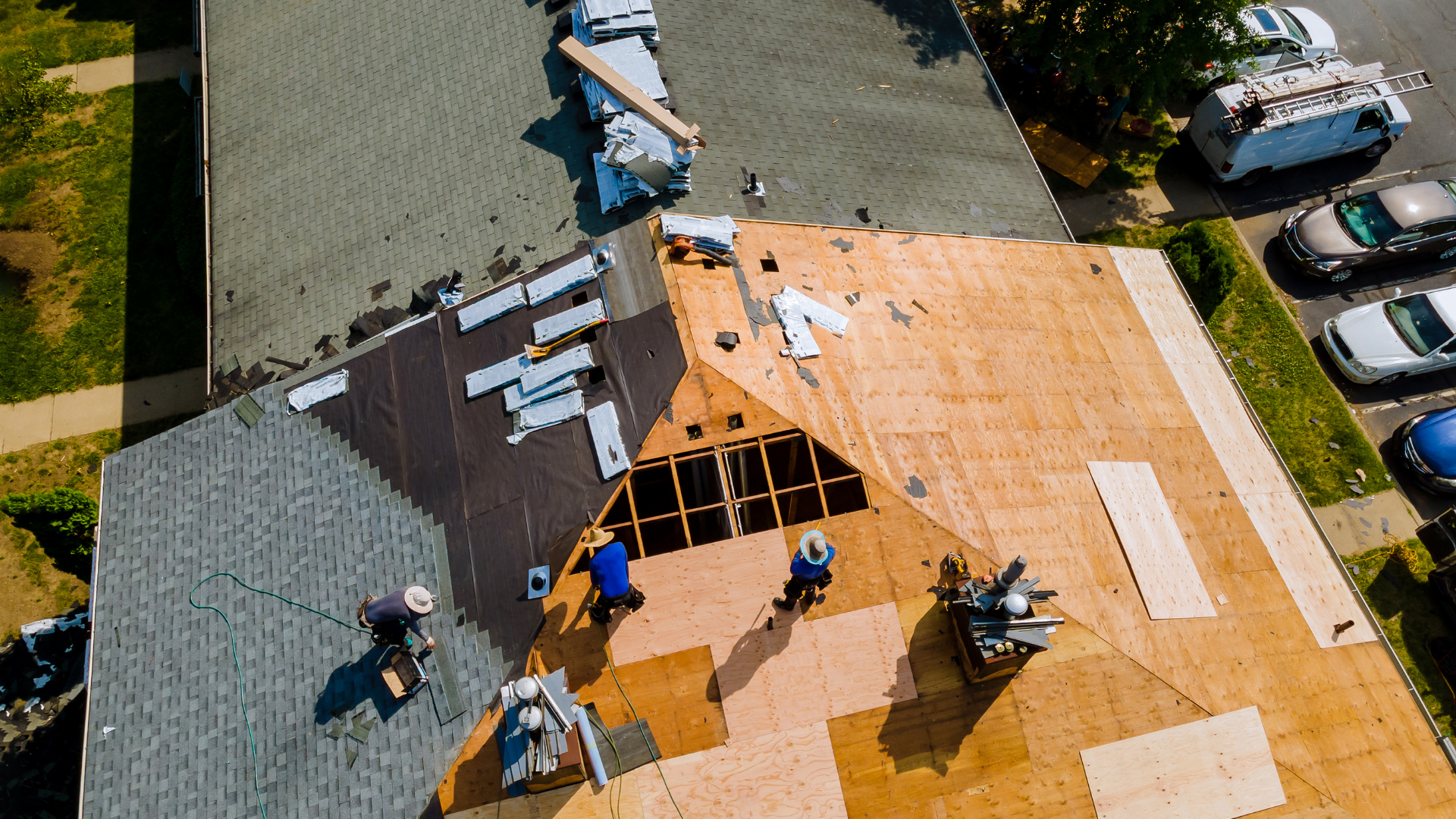
Aerial view of workers replacing shingles on a house roof, showing sections of exposed plywood decking and new shingles.
By Jernalyn Iglesias April 1, 2026
Tile roofs are a popular choice in Phoenix thanks to their durability, energy efficiency, and ability to withstand intense sun exposure. However, even the toughest tile roofs aren’t immune to wear and tear—especially in Arizona’s harsh desert climate.  If you own a tile roof, recognizing early warning signs can save you thousands in repairs and extend the life of your roof. Below are seven of the most common tile roof problems in Phoenix and what you should watch for.
March 19, 2026
Ensure a reliable roofing contractor by asking key questions. Learn about debris removal, property protection, and more to make an informed decision for your roof.
February 6, 2026
Knowing when to replace your roof isn’t always obvious. Many homeowners wait until there’s visible damage or an active leak—but by that point, the roof has often been failing for months or even years. Understanding the early roof replacement signs can help you avoid costly repairs, interior damage, and unnecessary stress. Below are the most common warning signs homeowners miss. Hidden Leaks: The Biggest Warning Sign Most Homeowners Never See One of the most misunderstood roofing problems is the hidden roof leak . In reality, most roof leaks begin 6–12 months before any interior damage becomes visible . Water often enters the roof system at flashing points, valleys, or seams and then travels along underlayment, decking, or framing. During this time, moisture can quietly cause rot, mold growth, and structural damage—without any obvious signs inside the home. Common areas where hidden leaks start: Roof valleys Flashing around vents, skylights, and chimneys Flat roof seams and transitions Aging underlayment beneath tile or shingles By the time stains appear on ceilings or walls, the damage is usually far more extensive than homeowners expect. This is a major reason recurring leaks often signal that roof replacement—not repair—is needed. 1. Your Roof Has Had Multiple Repairs A roof that has been repaired several times is often nearing the end of its lifespan. While minor repairs can be effective on newer roofs, repeated patchwork usually means the system as a whole is failing. Why this matters: Repairs address isolated problems, not widespread material deterioration. Over time, multiple repairs can create weak points and increase the risk of future leaks. 2. Leaks Keep Returning After Rain If a roof leak keeps coming back—even after repairs—it’s a strong indicator of deeper issues. Water rarely enters where it shows up, making leaks difficult to permanently fix on older roofs. Recurring leaks are one of the clearest roof replacement signs , especially after heavy rain or storms. 3. Your Roof Is Near or Past Its Expected Lifespan Every roofing system has a realistic service life: Asphalt shingles: 15–25 years Tile roofs: 30–50 years (underlayment often fails sooner) Flat or spray foam roofs: 10–20 years depending on maintenance Even if your roof looks fine, age alone can be a deciding factor when determining when to replace a roof . 4. Visible Wear, Cracks, or Deterioration Obvious signs of wear often indicate larger problems below the surface, including: Cracked or broken tiles Missing shingle granules Blistering or splitting on flat roofs These issues reduce the roof’s ability to shed water and protect your home from UV damage. 5. Soft Spots or Ponding Water on Flat Roofs Flat roofs are especially vulnerable to hidden damage. Soft areas, uneven surfaces, or standing water suggest foam breakdown or substrate deterioration. These problems typically worsen over time and often lead to leaks that cannot be reliably repaired. 6. Interior Warning Signs Sometimes the clearest roof replacement signs appear inside the home: Water stains on ceilings or walls Bubbling or peeling paint Mold or musty odors Increased energy bills from lost insulation efficiency By the time interior damage is visible, the roof problem is usually well-established. 7. Repairs Can No Longer Be Warrantied If a roofing contractor cannot provide a warranty on repairs, it’s usually because the roof system is too compromised. This is often the tipping point where replacement becomes the safest and most cost-effective option. Roof Repair vs. Roof Replacement: Which Is Right? Roof replacement is typically recommended when: Leaks are recurring or widespread Repairs have failed in the past The roof is near the end of its lifespan There is evidence of hidden moisture damage While replacement costs more upfront, it often prevents years of ongoing repairs and interior damage. Get a Professional Roof Inspection If you’re unsure when to replace your roof , a professional inspection can identify hidden leaks, material failure, and long-term risks. An experienced roofing contractor can help you decide whether repair or replacement makes the most sense for your home. Recognizing early roof replacement signs can save you money, protect your home, and give you peace of mind before small issues turn into major problems. Concerned About Your Roof? If your roof is aging, leaking, or showing signs of wear, now is the best time to have it evaluated—especially during rainy weather when problems are most visible.
February 6, 2026
Ensure peace of mind when buying a home with a professional roof inspection. Prevent costly surprises by uncovering hidden roof issues before closing.
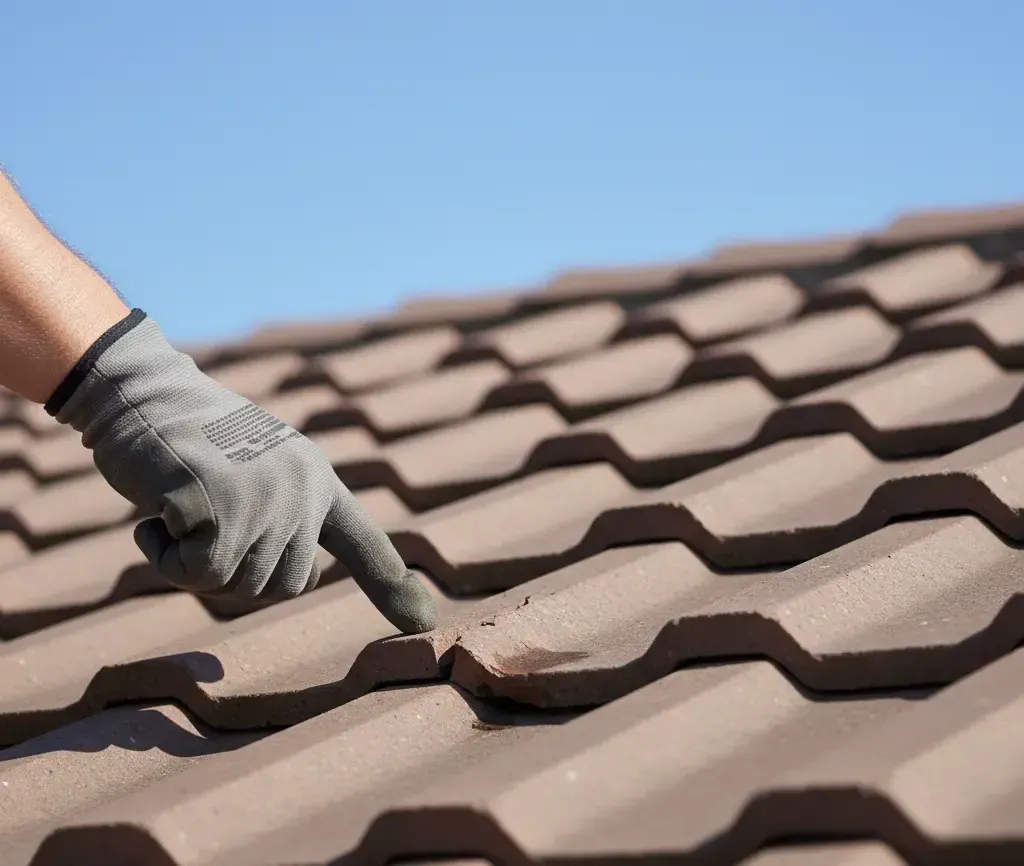
Gloved hand pointing to a damaged brown tile on a roof with a blue sky background.
November 21, 2025
Discover the crucial steps to take when your roof leaks. Learn how to prevent costly damage and get expert repair services in Phoenix and Scottsdale.
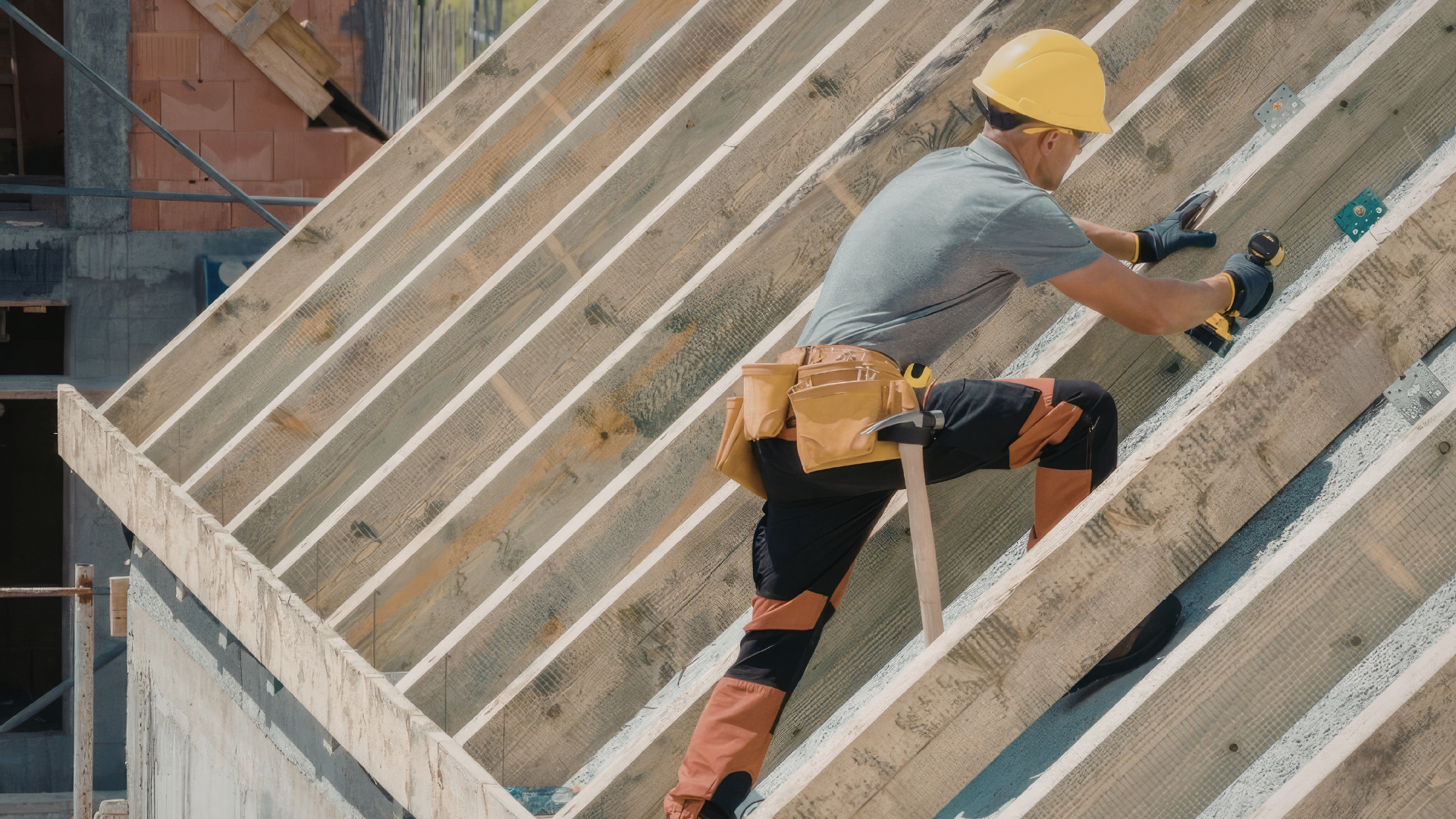
Construction worker on rooftop, wearing safety gear, drilling wood.
September 24, 2025
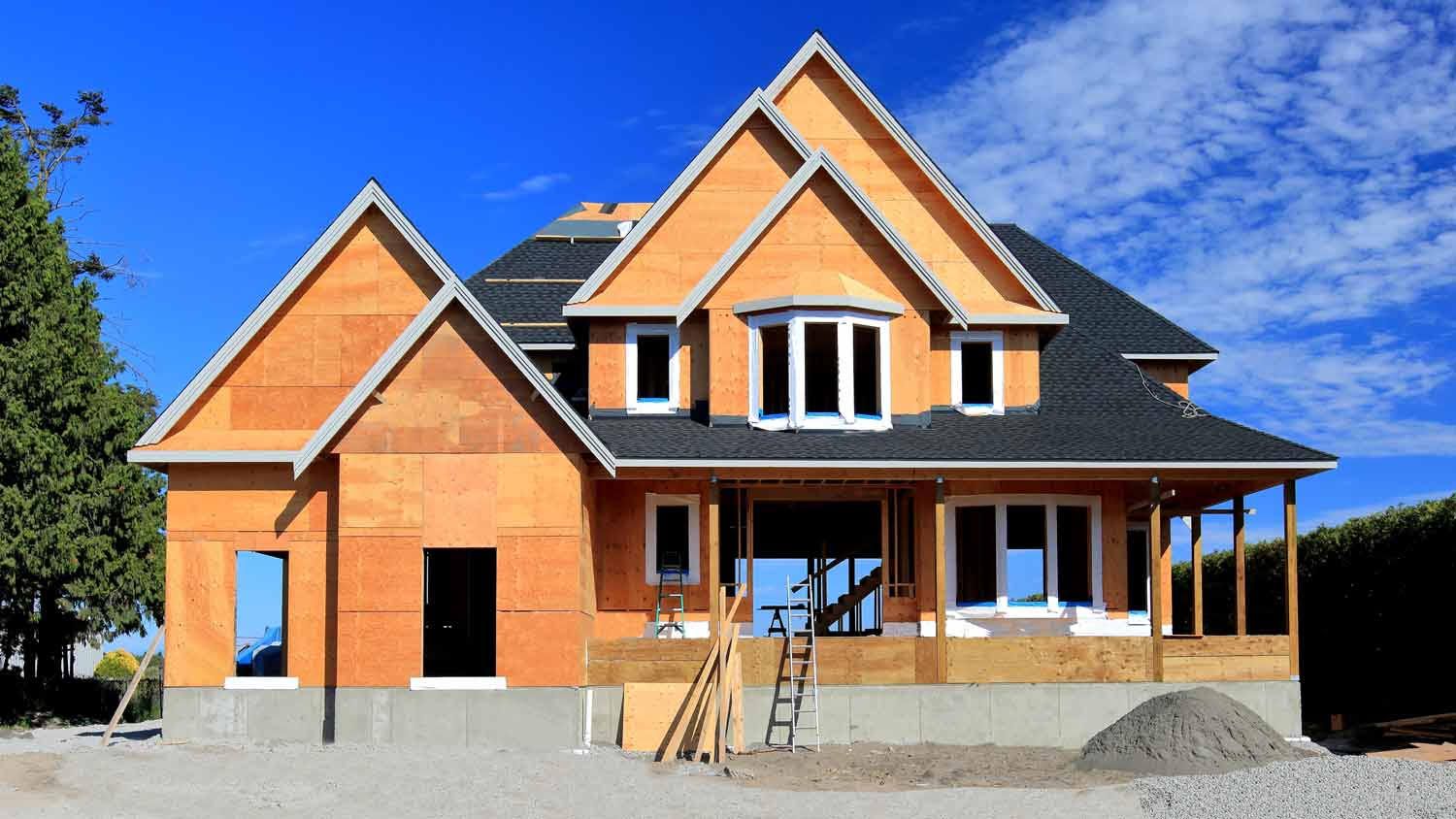
Ensure a solid foundation with expert roofing services for new construction and custom homes. Quality craftsmanship and reliable protection from the start.
Roofer on a roof wearing a harness, hammering shingles. Gray shingles, bright green harness, blue sky.
September 19, 2025
Explore Spray Foam Roofing in Phoenix & Scottsdale, AZ. Our 2025 guide covers installation, benefits, and cost to help you choose the best option for your roof.
September 14, 2025
Choosing the right roofing contractor is crucial for your home. Ask these 7 essential questions to ensure you get quality work, reliable service, and peace of mind.
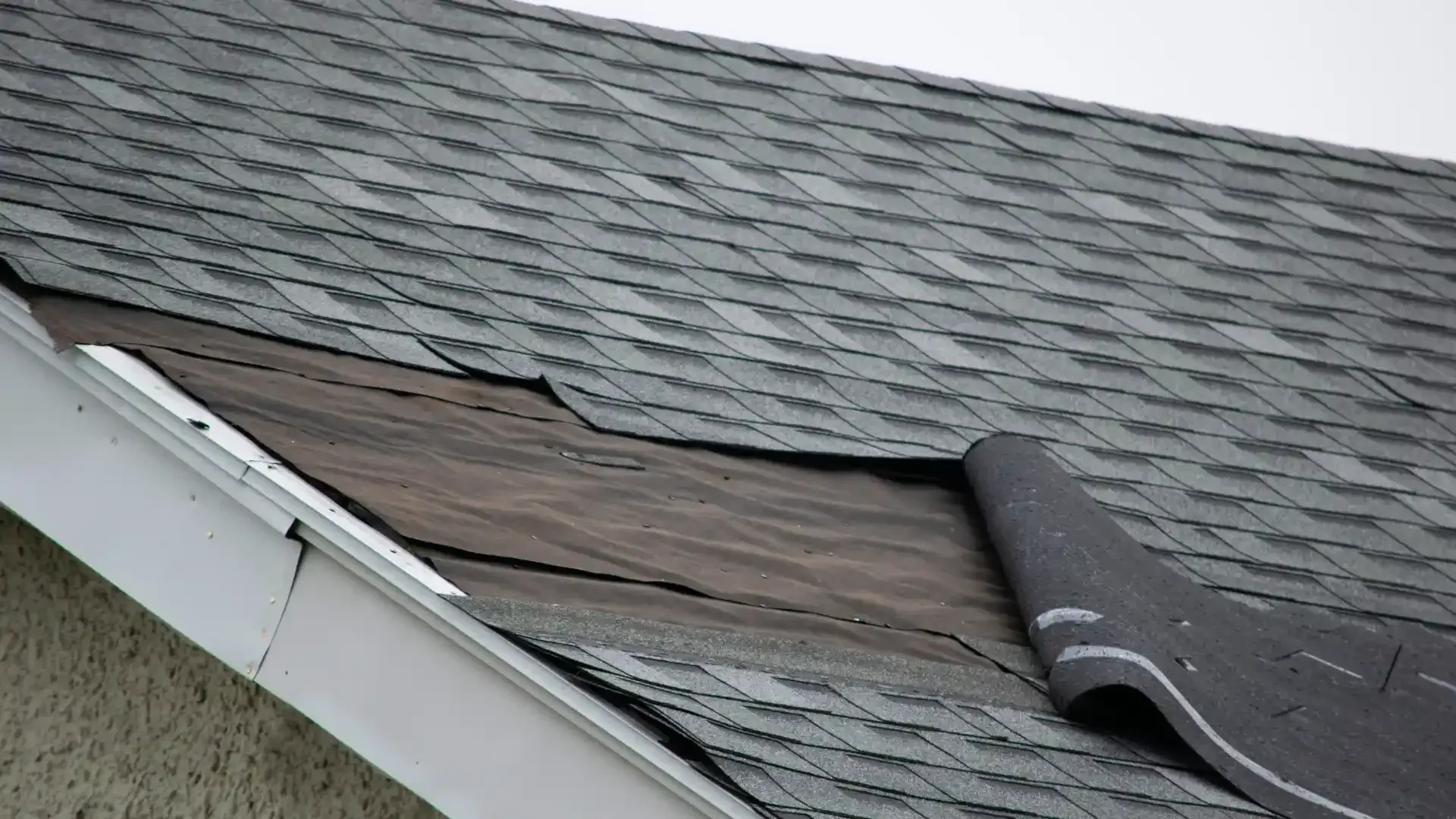
Damaged asphalt shingle roof with exposed underlayment.
August 20, 2025
Does AZ homeowners insurance cover roof repair? Learn what storm damage is covered & how to file a claim. Get a free insurance inspection today.
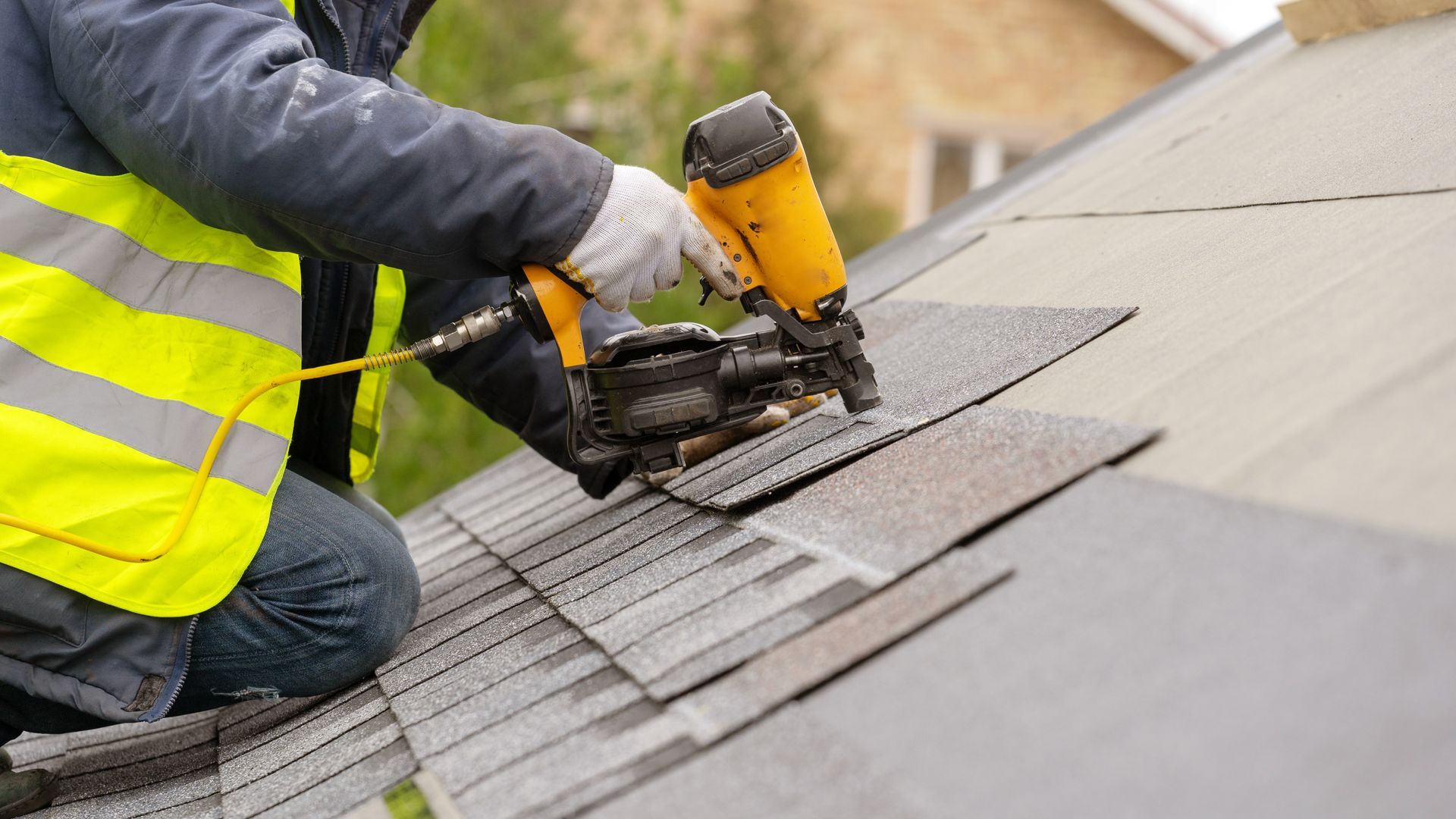
Person using a pneumatic nail gun to install roofing shingles.
August 20, 2025
Deciding between an AZ roof repair or full replacement? We help you choose the most cost-effective solution for your home. Get a free assessment.